
Ancient seas, Ice Age wetlands, and living Native history.
A useful, respectful guide to Nevada prehistory, dinosaur-adjacent discoveries, Indigenous cultures, rock art, and protected artifacts.
Deep time and human history share the same desert.
Nevada is more than neon. It is ancient seas, Ice Age wetlands, volcanic landscapes, petroglyphs, museum collections, ancestral villages, trade routes, and living Native nations whose histories are not frozen in the past.
Nevada’s prehistoric lane
Berlin-Ichthyosaur shows Nevada as ancient ocean. Tule Springs shows Las Vegas as Ice Age wetland. Red rock landscapes connect the region to broader Southwest dinosaur trackway stories.
Living Native communities
Nevada is home to Paiute, Shoshone, Washoe, and Mojave peoples, among others. Tribal nations and urban Native communities are living governments and cultures, not just archaeological subjects.
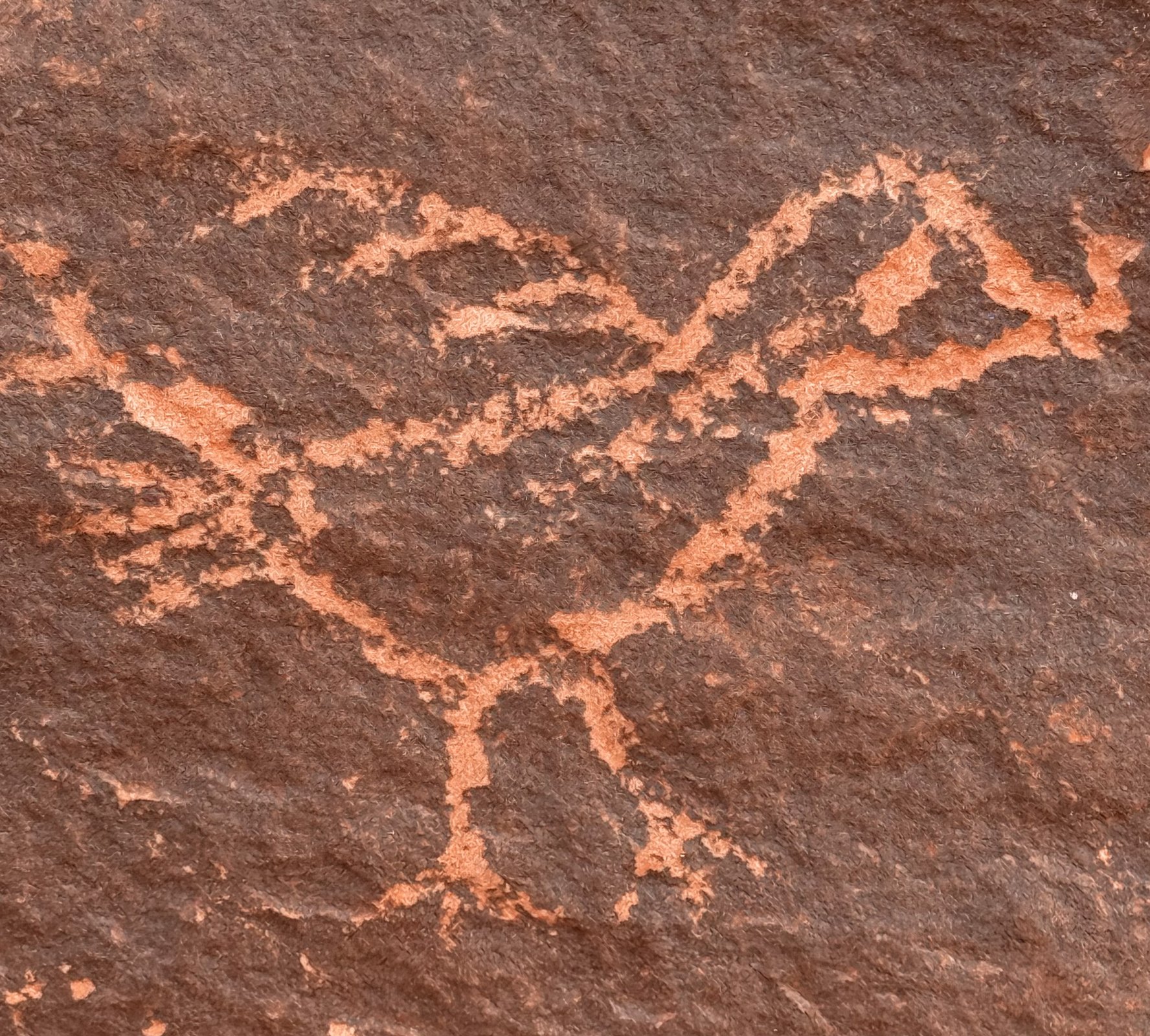
Rock art
Petroglyphs and pictographs can be hundreds or thousands of years old. Their meanings should not be guessed for entertainment; context and cultural respect matter.
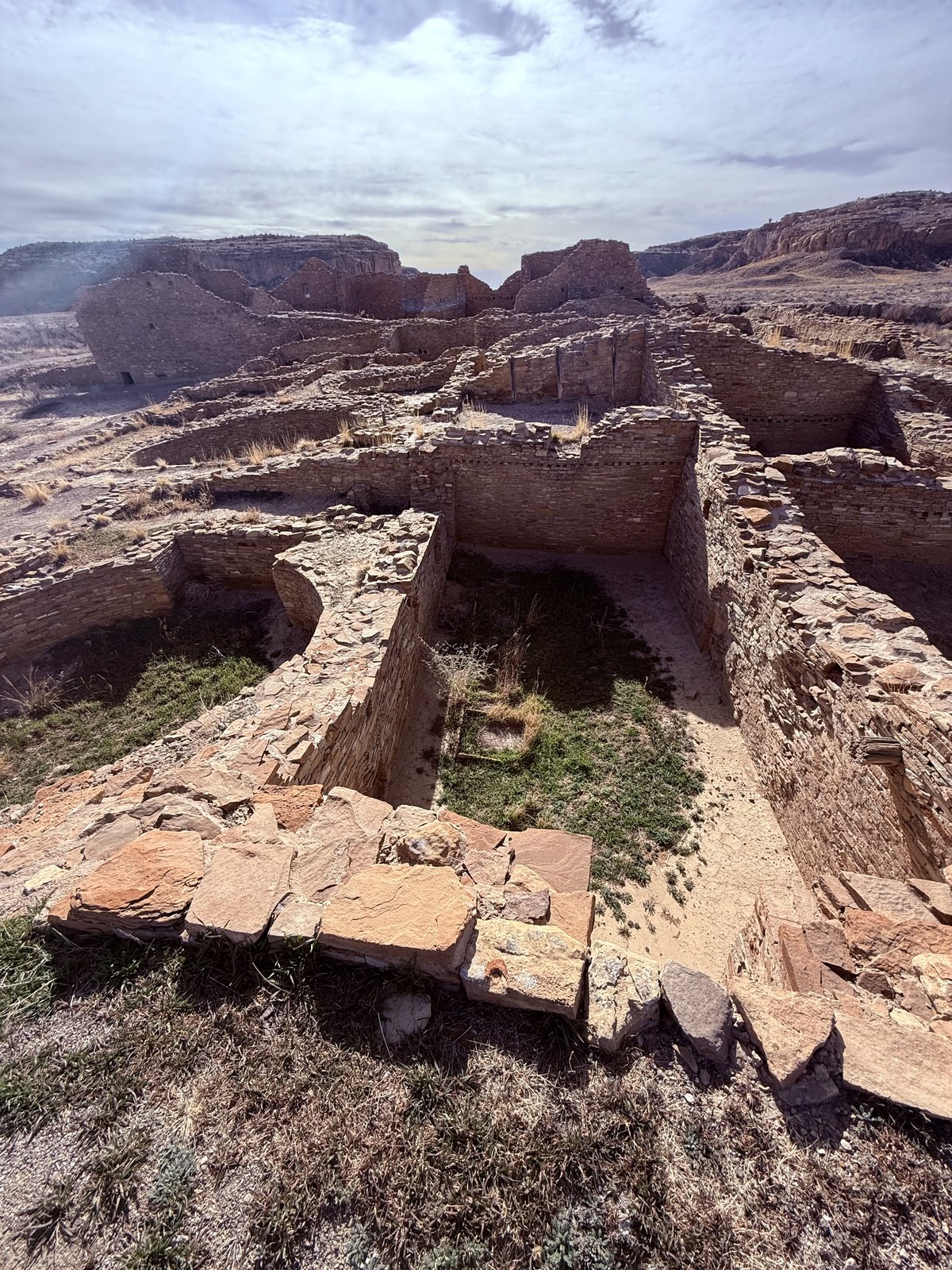
Artifacts and daily life
Manos, metates, pottery sherds, stone tools, baskets, and architecture help researchers understand foodways, trade, engineering, and community life.
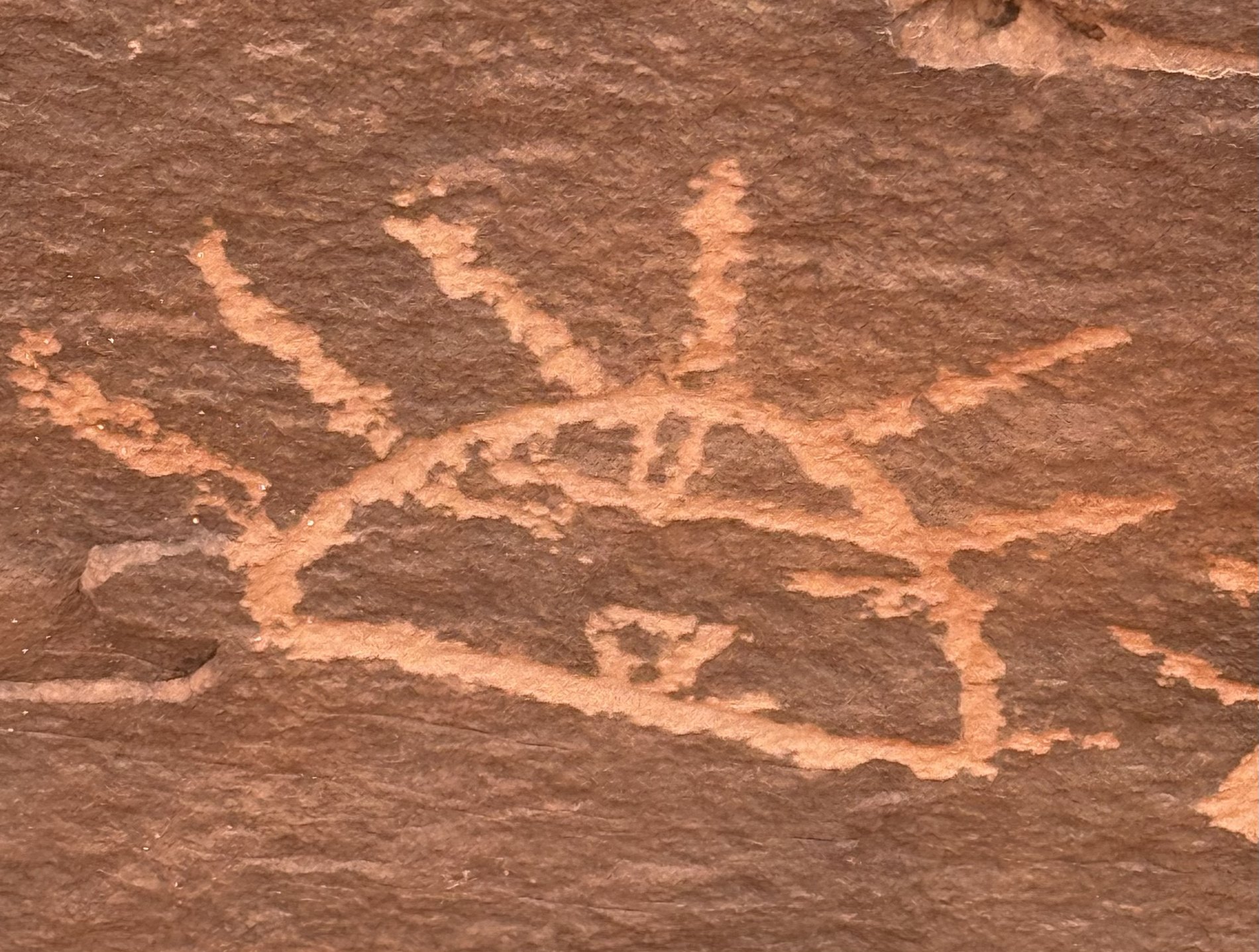
Learn from public, protected places.
- Sloan Canyon: a protected petroglyph landscape managed for public learning and preservation.
- Lost City Museum: a place to learn about ancestral Puebloan communities and archaeology in Southern Nevada.
- Great Basin region: Fremont and other archaeological stories connect Nevada to the wider Great Basin and Colorado Plateau.
- Local museums: collections can help families understand artifacts without disturbing sites.
Curiosity with guardrails.
Use “cultural belongings” when appropriate
Some objects are not merely specimens. They are part of living cultural memory and deserve careful language.
Teach laws and ethics
Public-land artifacts are protected. Removing objects strips them of context and can break federal, state, or tribal law.
Invite Native authority
When possible, link to tribal, museum, BLM, NPS, or state sources and make room for Native voices to explain Native history.